
Many people first think about facilitator training after having a meaningful experience with breathwork themselves. When a practice has helped you slow down, feel more present or understand yourself differently, the wish to share it with others can arise very naturally.
But experiencing breathwork and facilitating it are two different things. A facilitator is responsible for the quality of the space, the clarity of the guidance, appropriate boundaries and the way the session is brought to a close.
What Does a Rebirthing Breathwork Facilitator Actually Do?
A facilitator guides a participant through a conscious connected breathing session while staying attentive to the person in front of them.
This can include explaining the process, asking appropriate pre-session questions, helping someone find a comfortable connected breathing rhythm, observing what is happening and allowing time for rest and integration afterwards.
The facilitator is not there to force emotional release or promise dramatic breakthroughs. Good facilitation is often quieter than people expect. It depends on attention, communication, patience and judgement.
Start With Your Own Personal Rebirthing Experience
Before learning how to guide another person, it is useful to know the practice from the inside. Personal sessions help you understand what connected breathing actually feels like when you are the participant rather than the observer.
Your own practice also teaches something that textbooks cannot: not every session feels the same, and not every meaningful session has to be dramatic.
New to Rebirthing Breathwork?
If you have not experienced the method personally yet, beginning with an individual guided session can be a sensible first step.
Explore Individual SessionsWhat Should a Good Facilitator Training Include?
1. Understanding the breathing method
You should understand how conscious connected breathing is taught, how a session is structured and how the practice is introduced clearly to a participant.
2. Personal sessions and self-practice
A course should provide direct experience, not only lectures or demonstrations.
3. Facilitation skills
You need practical experience guiding another person, communicating clearly, observing the breath and learning when to guide and when to remain quiet.
4. Safety and boundaries
Students should understand that intensive breathwork is not suitable for everyone in every situation. Responsible training should cover screening, caution and professional boundaries.
5. Integration
The breathing period is only one part of the session. A facilitator also needs to understand how to help someone settle and integrate the experience afterwards.
Why Supervised Practice Matters
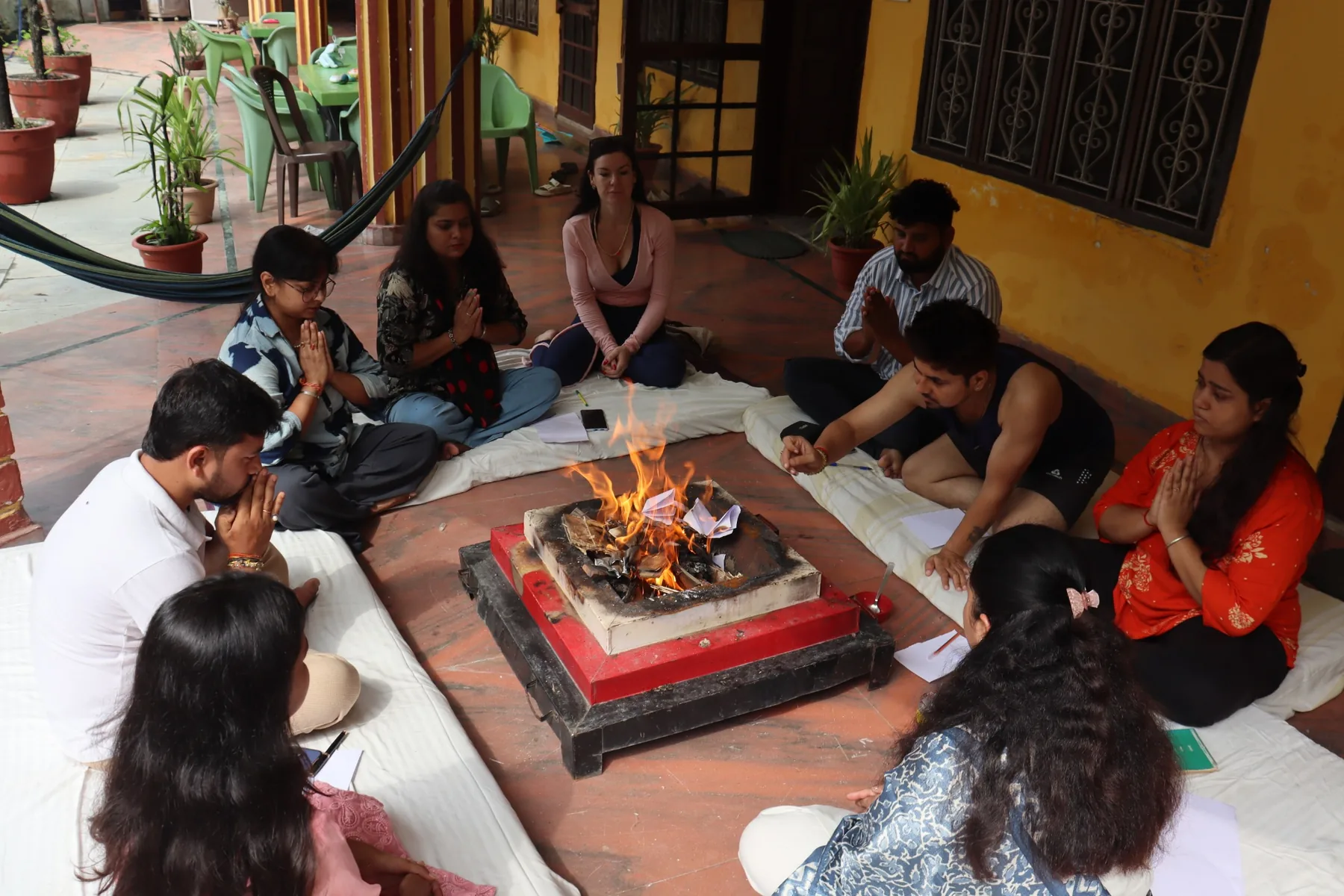
Supervised practice is where much of the real learning happens. An experienced trainer can notice things you may not notice yourself: whether you speak too much, whether your instructions are clear, whether you rush, or whether you are trying to control someone’s experience.
With repeated practice, students gradually become more natural and confident while still respecting the structure and ethics of the work.
What Does Certification Really Mean?
The word “certification” can sound universal, but different breathwork schools and training lineages may have different requirements.
Before enrolling, ask what exactly you need to complete before receiving the certificate. Is attendance enough? Are practice sessions required? Is there supervised facilitation, assessment or mentoring?
A good training provider should be able to explain this clearly.
How to Choose the Right Facilitator Training
It is easy to compare courses only by price and duration, but these two points do not tell you everything.
Look at who is teaching, how much practical facilitation is included, the size of the group, whether supervision is available, how certification works and whether the teaching approach feels right for you.
Speaking directly with the school before enrolling can also be useful. You should be able to ask questions without feeling pressured to make an immediate decision.
Considering professional training?
Our Rishikesh programme includes a residential Level 1–3 learning pathway with practical training and accommodation.
View Professional TrainingHow Long Does Training Take and What Should You Compare in the Fee?
Training duration varies depending on the school and the level being taught. When comparing courses, look beyond the headline fee.
Check whether teaching, personal sessions, supervised practice, course material, certification, accommodation and meals are included.
A lower training fee may become more expensive when accommodation and other costs are added separately, while a residential programme may include much more within one price.
Residential Rebirthing Breathwork Training in Rishikesh
Residential learning allows students to step away from their normal routine and remain immersed in the training environment.
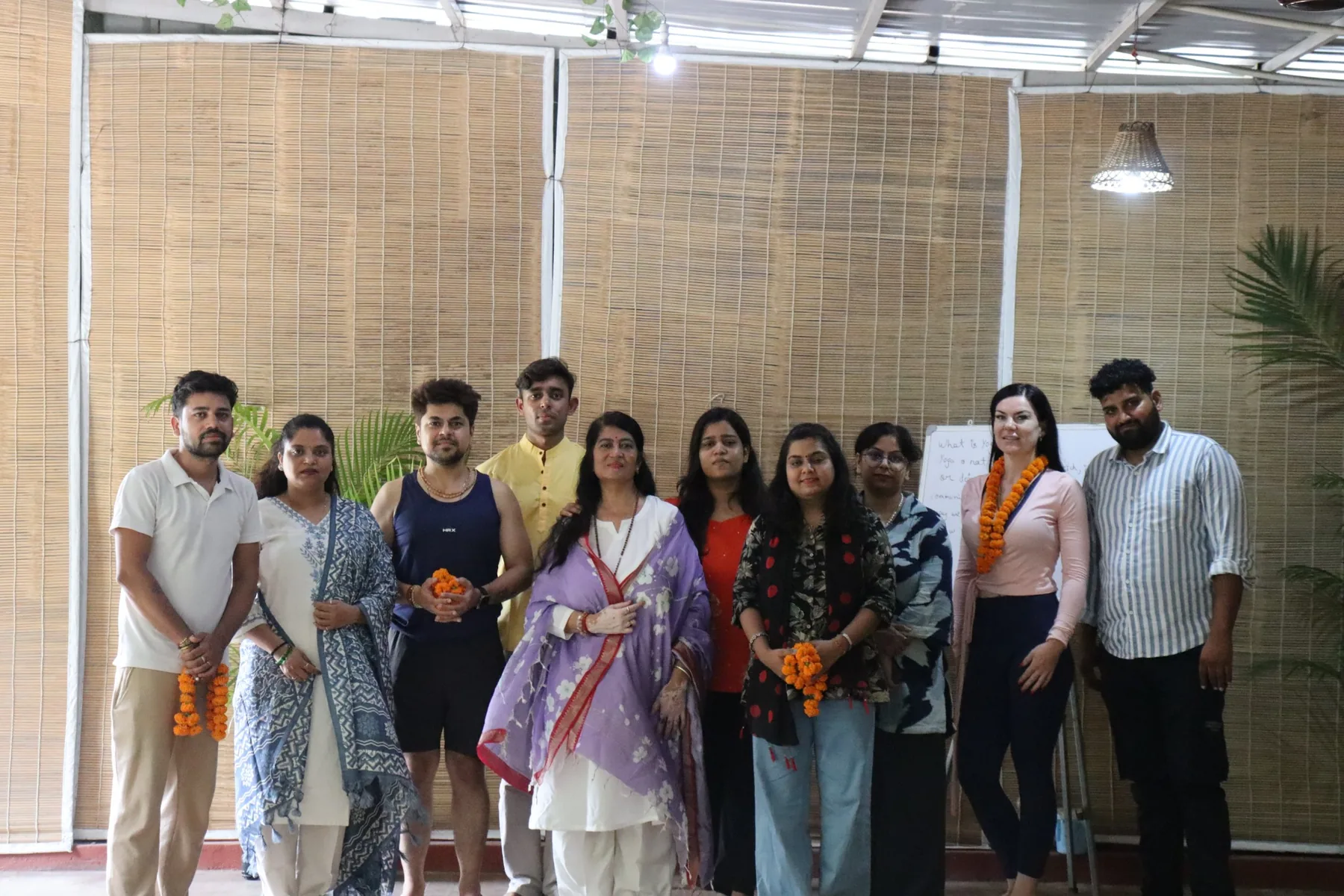
At Samvedna Spiritual School in Rishikesh, the training is offered as a residential learning journey. Students learn, practise and stay in the same environment, which creates more continuity than travelling back and forth each day.
Rishikesh itself is not a shortcut to becoming a facilitator. The value comes from having dedicated time, a focused learning environment and repeated practice.
Quick Questions
Do I need to be a yoga teacher or therapist first?
Not necessarily. Entry requirements depend on the training. What matters is whether the programme is suitable for your experience level and whether you are ready to learn the practical and ethical responsibilities involved.
Can I become a facilitator through an online course?
Online learning can support theory, but facilitation itself is practical. When comparing courses, check how supervised practice and real feedback are included.
Does receiving a certificate automatically mean I am ready to work professionally?
Not automatically. A certificate confirms completion of the requirements of that particular training. Professional readiness also depends on experience, confidence, judgement and responsibility.
Can I speak with Samvedna before deciding?
Yes. If you are considering the Rishikesh training, you can contact us and ask any questions before making a decision.
Leave a Comment
Have a question about facilitator training? Leave it below. Your email will never be shown publicly.
I have completed a few breathwork workshops but have never facilitated anyone. Would you recommend taking more personal sessions before joining facilitator training?
The explanation about supervised practice was useful. I had mainly been comparing certificates and course duration, but practical facilitation experience seems much more important.
Would the Level 1–3 pathway also suit someone who wants to combine breathwork with an existing yoga practice rather than immediately working full-time as a facilitator?